Sudan: A Deepening Humanitarian Crisis and “A Lack of Action”
More than two years into the conflict, Sudan remains one of the world’s most severe humanitarian emergencies — with needs far outpacing the resources available to meet them.
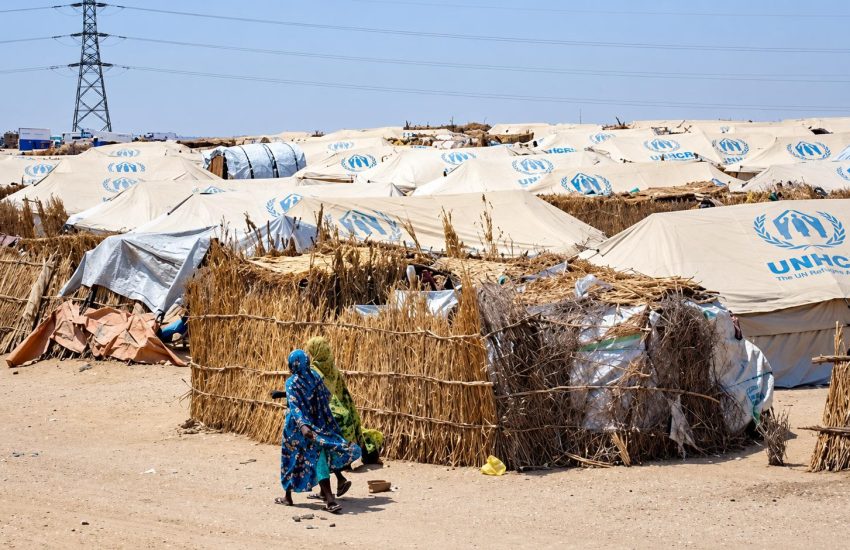
Briefing the United Nations Security Council on 24 August 2026, the UN’s humanitarian chief delivered a stark assessment of the situation on the ground in Sudan. More than two-thirds of the country’s population are now in desperate need of lifesaving support, as conflict, displacement, and disrupted services continue to compound one another.
Rising civilian toll
According to figures presented to the Council, around 1,400 civilians were killed in the first half of the year — the majority in drone strikes on markets, fuel stations, and critical power and water infrastructure. In areas such as North Kordofan, intensifying hostilities have displaced thousands of families, placing further pressure on sites and services already stretched to their limits.
Aid reaches millions — but gaps remain
Despite front lines, insecurity, and bureaucratic obstacles, humanitarian teams reached nearly 11 million people with at least one form of assistance by mid-year. Progress was reported in the most severe need categories, yet the response remains off track in areas including education, health, shelter, and water.
The central obstacle is funding. By two-thirds of the way through the year, only just over 40% of the $2.87 billion required for the prioritized response had been received. Funding for the regional refugee response — supporting neighbouring countries hosting those who have fled — stood even lower, at around 17%.
“Sudan does not suffer from a lack of analysis. It suffers from a lack of action.” — Tom Fletcher, UN Under-Secretary-General for Humanitarian Affairs and Emergency Relief Coordinator
Why evidence matters here
In contexts as complex and fast-moving as Sudan’s, reliable data is not a luxury — it is the foundation of an effective response. Accurate, ethically gathered field evidence is what allows humanitarian actors to identify the most acute needs, prioritize limited resources, and hold the collective response accountable. As the crisis evolves, that evidence base becomes ever more essential to reaching the people who need help most.
